to: "add1dda@aol.com" <add1dda@aol.com>
saturday, may 10, 2025 at 07:11:24 p.m. edt
🗞️ quillette weekly | "liberation tariffs: worse than an oil embargo?"
"tariff turmoil, racial preferences, Rufo's crusade, and Trump unbound"

🗞️ quillette weekly | "liberation tariffs: worse than an oil embargo?"
"view in browser
Dear reader,
This week's lead piece tackles a slow-motion economic wreck. Garett Jones likens Trump's "Liberation Day" tariffs to an oil shock—except the damage lands squarely on America. Higher costs, lost innovations, and a strategic own goal in the global market.
"also in this issue: Erec Smith on the unintended harms of affirmative action; Matt Johnson on Christopher Rufo's campaign turning inwards; Cathy Young on the chaos of Trump 2.0; and Jonathan Kay on how anti-Trump sentiment helped define Canada's latest election.
From the Middle East, we explore Israel's intelligence collapse, the complex loyalties of the Druse, and the limits of liberalism in a region sliding toward war. Plus, a misfired Louis Theroux documentary and a timeless look at Rebel Without a Cause.
"finally, don't miss our editor-in-chief, Claire Lehmann, discussing the perils of counter-enlightenment thinking in the dispatch and staying independent on Andrew Sullivan's Dishcast.
If you have any queries, please get in touch: members@quillette.com.
"until next week,
—Zoe Booth
content director [editor?]
North America
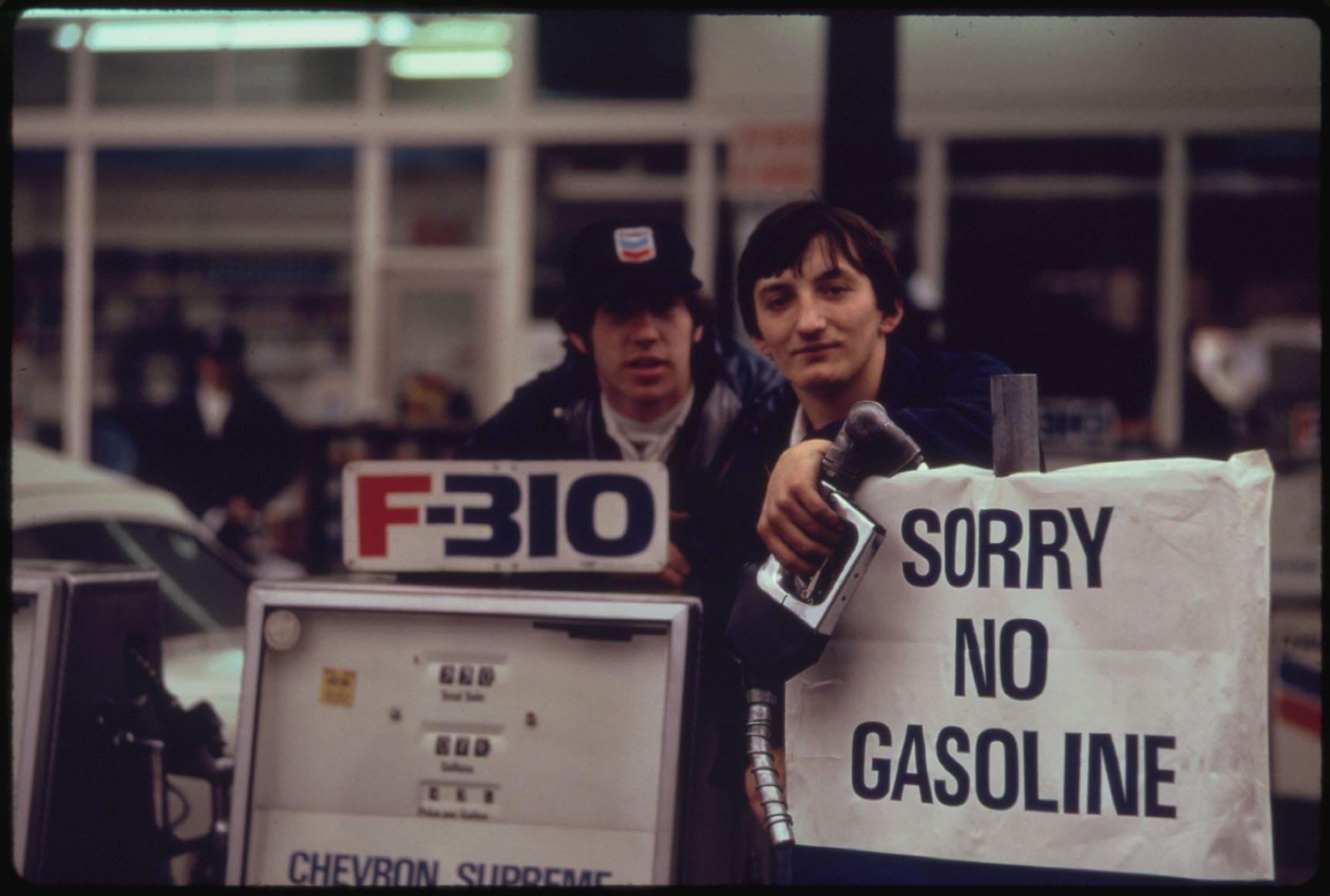
In this week's issue, economist Garett Jones compares the "Liberation Day" tariffs to a nationwide spike in oil prices—a stealth tax on productivity that quietly gums up every corner of a complex economy. Like oil, imported components are everywhere, and when tariffs raise costs on the "grommets and doohickeys" of modern manufacturing, the entire system slows. While the direct hit to GDP might seem modest at first glance—maybe 0.3 to 1 percent—the knock-on effects are harder to tally: missed innovations, delayed investments, and a global manufacturing edge handed to America's rivals.

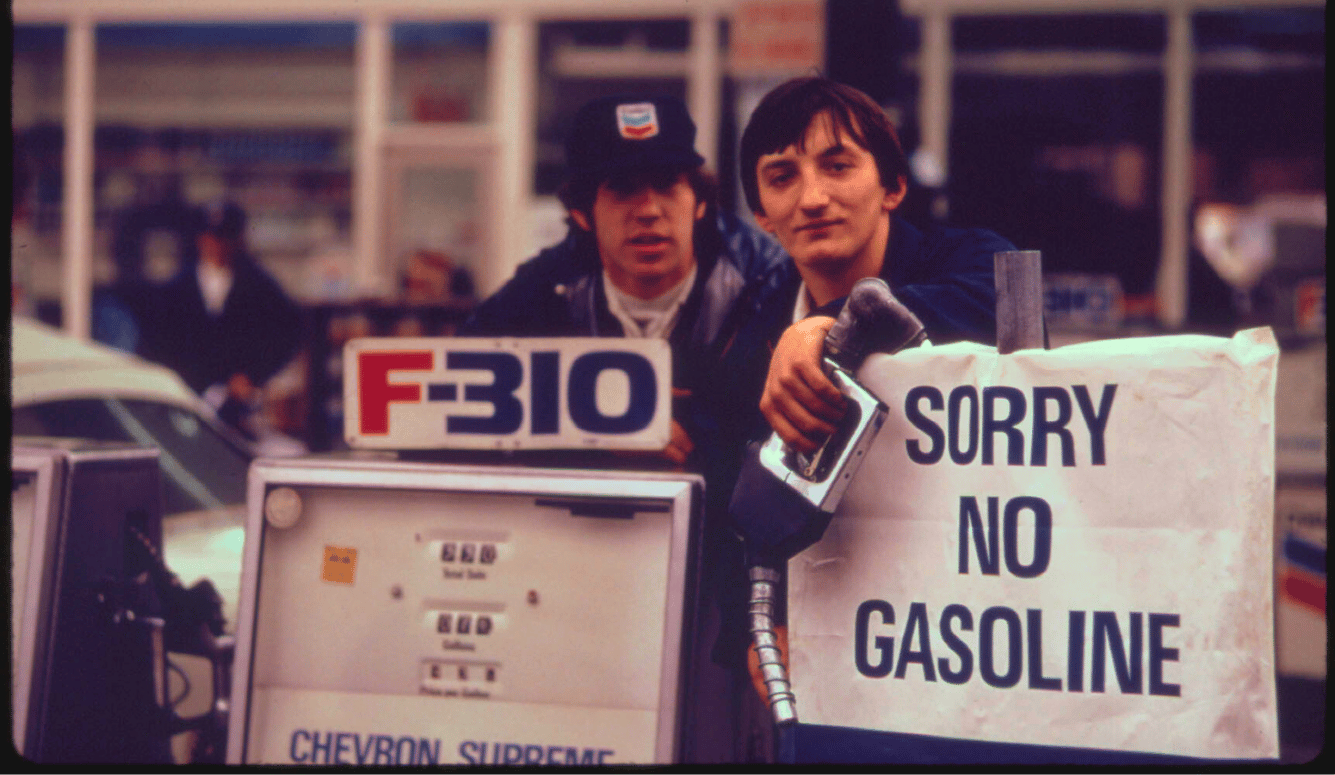
Erec Smith reviews Jason L. Riley's The Affirmative Action Myth and uses it to expose the unintended costs of racial preference policies. Far from helping Black Americans, Riley argues, affirmative action has fuelled stigma, stalled progress, and replaced merit with resentment.
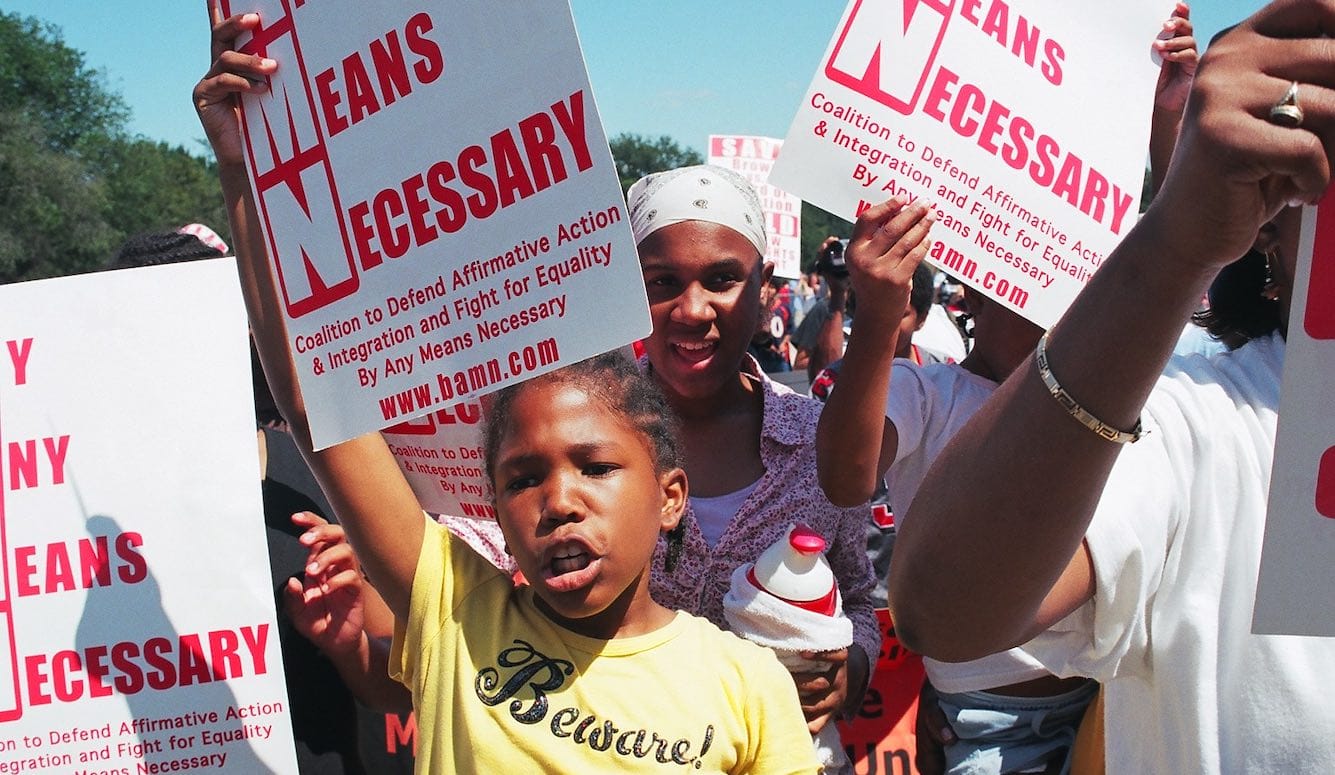
Matt Johnson explores Christopher Rufo's campaign to reclaim the institutions and argues it may end in a Pyrrhic victory. By fighting Gramsci with Gramsci—using top-down power to enforce cultural change—Rufo risks becoming the very thing he set out to oppose, alienating moderates and compromising liberal principles along the way.
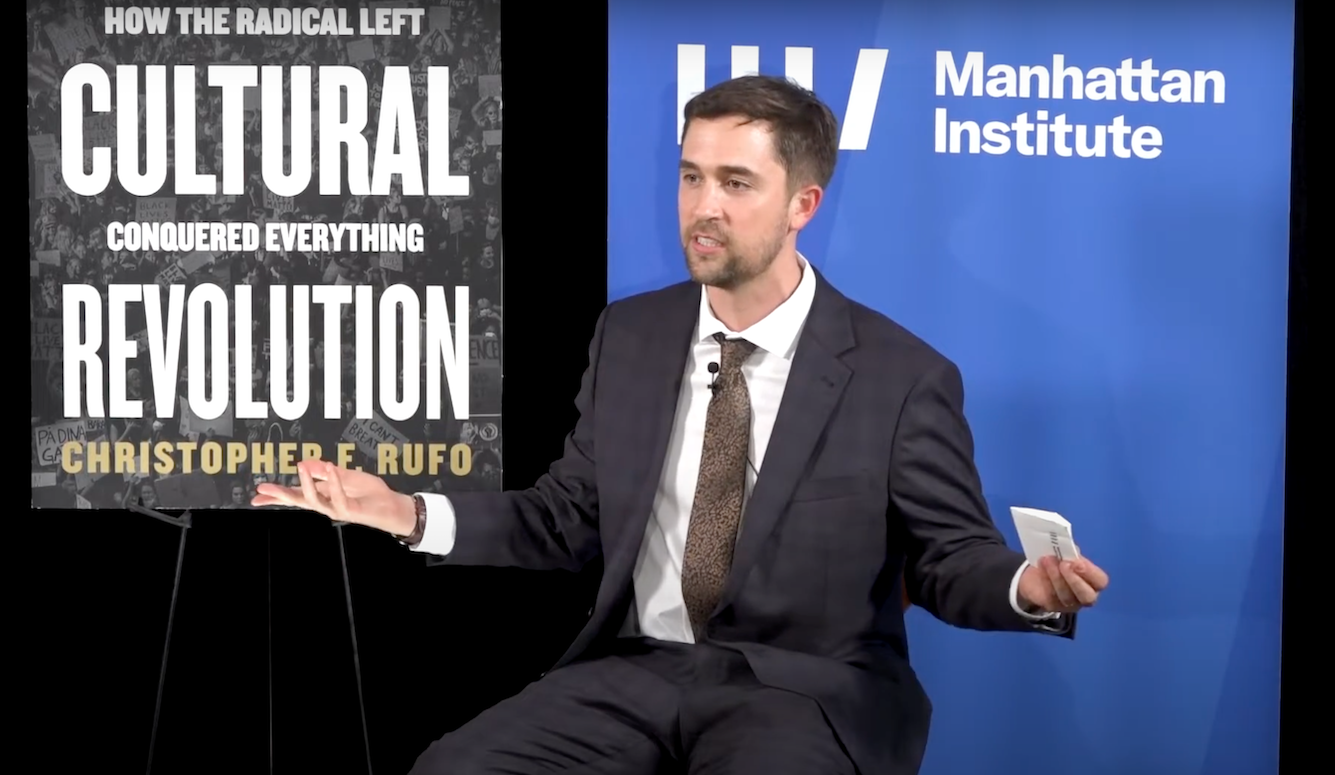
Cathy Young dissects the first 100 days of Donald Trump's second term, painting a portrait of chaos, vengeance, and confusion. from the bizarre rollout of the "DOGE" initiative to escalating tensions abroad and an assault on higher education, Young argues that the administration's blend of pettiness and power-lust has already surpassed its worst expectations.
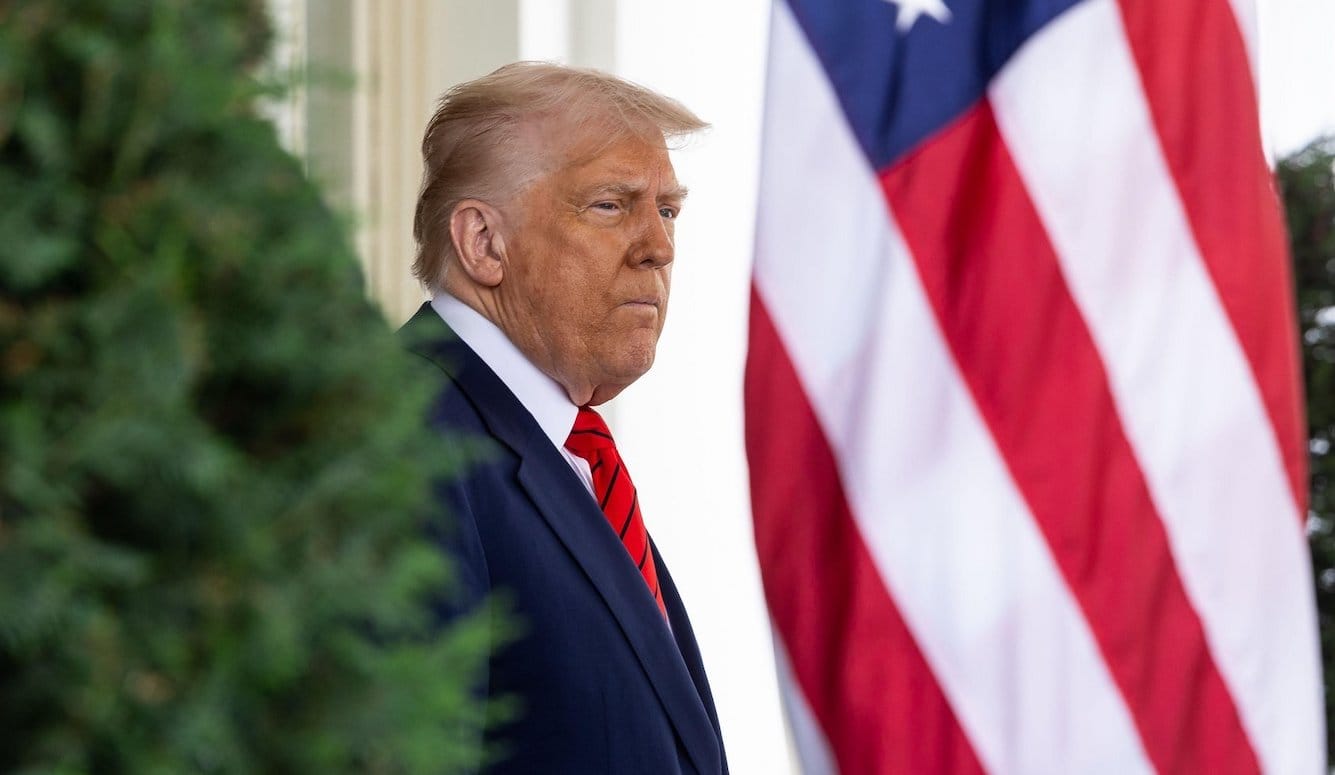
Quillette's Jonathan Kay examines how Canada's national identity has long been shaped in reaction to the United States—and how that dynamic played out in the country's recent federal election. Faced with Donald Trump's tariff threats and rhetoric about turning Canada into "the 51st state," Canadians rallied behind the Liberals, not out of policy enthusiasm, but as a reflexive assertion of national pride.
Middle East
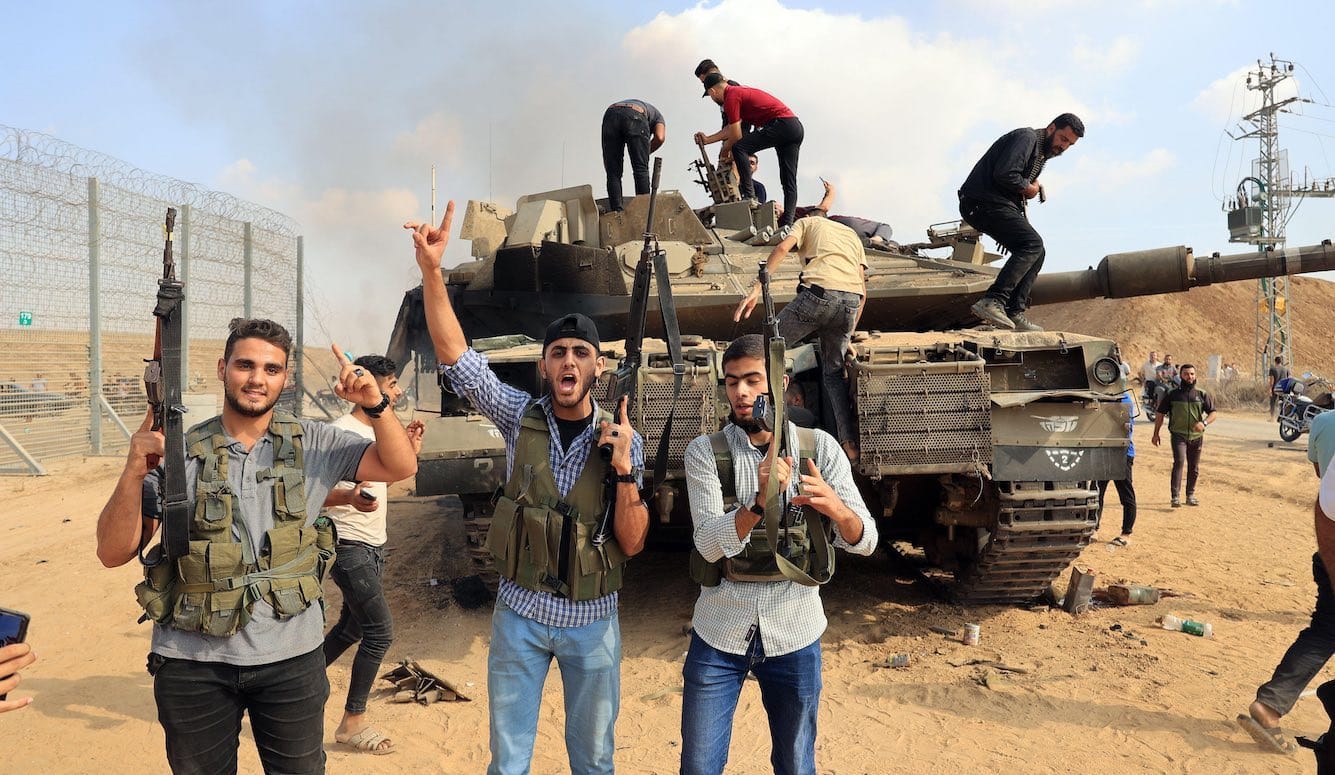
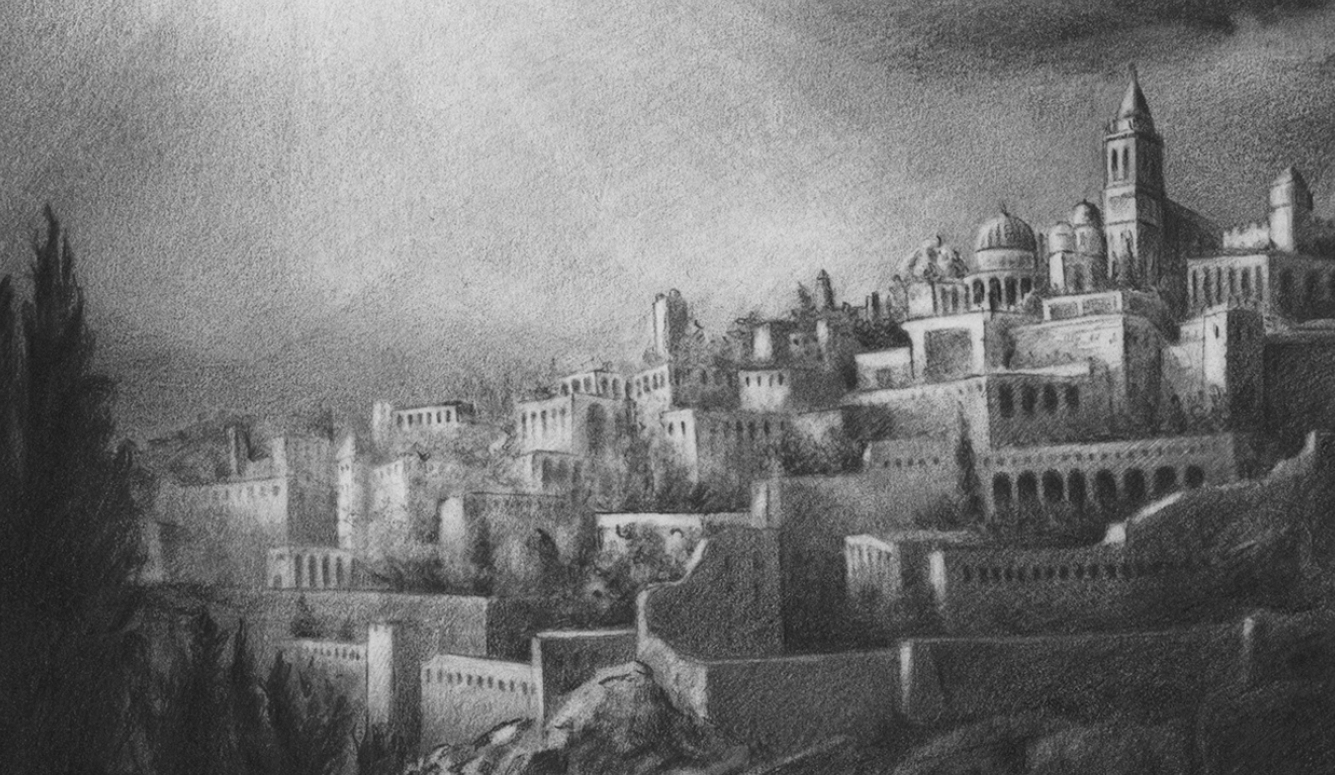
Uri Bar-Joseph analyses the Israeli intelligence collapse that enabled Hamas's October 7 attack. Despite clear warnings, officials dismissed the threat—making this one of the most complete and avoidable security failures in the country's history
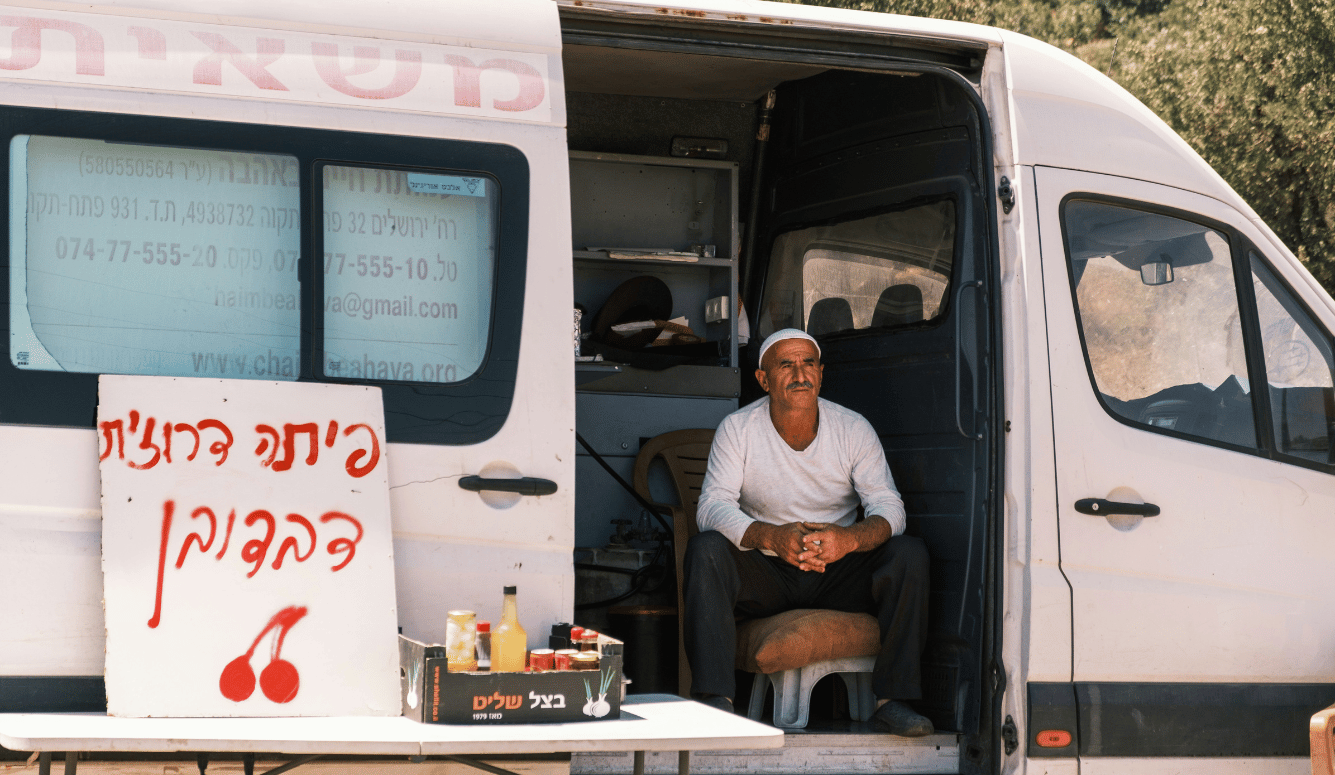
Historian Benny Morris explores the little-known role of the Druse—an esoteric Arab minority with a long history of secrecy and survival—across Israel, Gaza, and Syria. Once allied with Israel in 1948, the Druse now find themselves targeted by jihadists in Syria and caught between shifting loyalties in a region where identity can be fatal.
Megan Gafford argues that liberalism's strength lies in its self-scrutiny—but warns it can also become its undoing. Drawing on the work of historian Benny Morris, she explores how liberal democracies like Israel and the US struggle to live up to their ideals while defending themselves in an increasingly illiberal world.
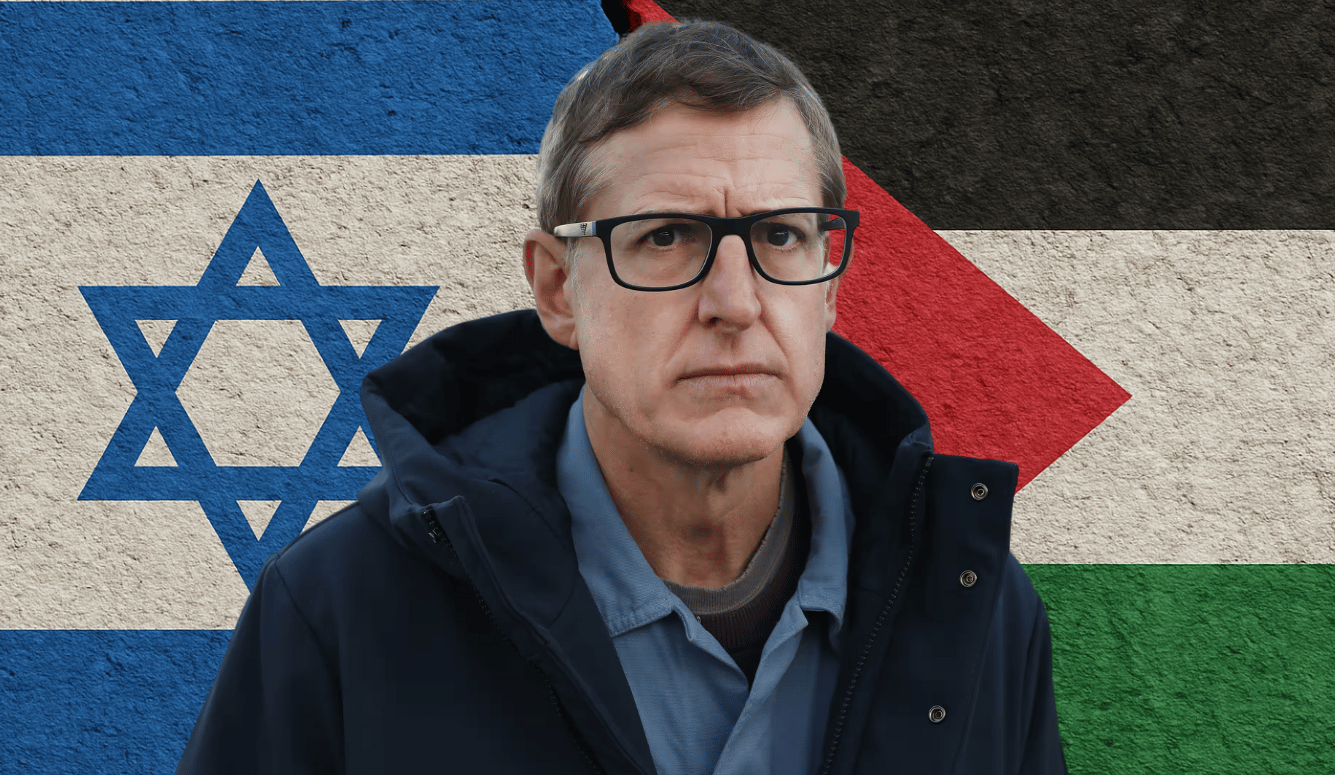
John Aziz reviews Louis Theroux's new documentary The Settlers and finds it a frustrating missed opportunity. Rather than offering insight into the complex realities of Israeli settlers, Theroux focuses on a handful of extremists, missing the chance to deepen understanding of a deeply polarised conflict.
Film
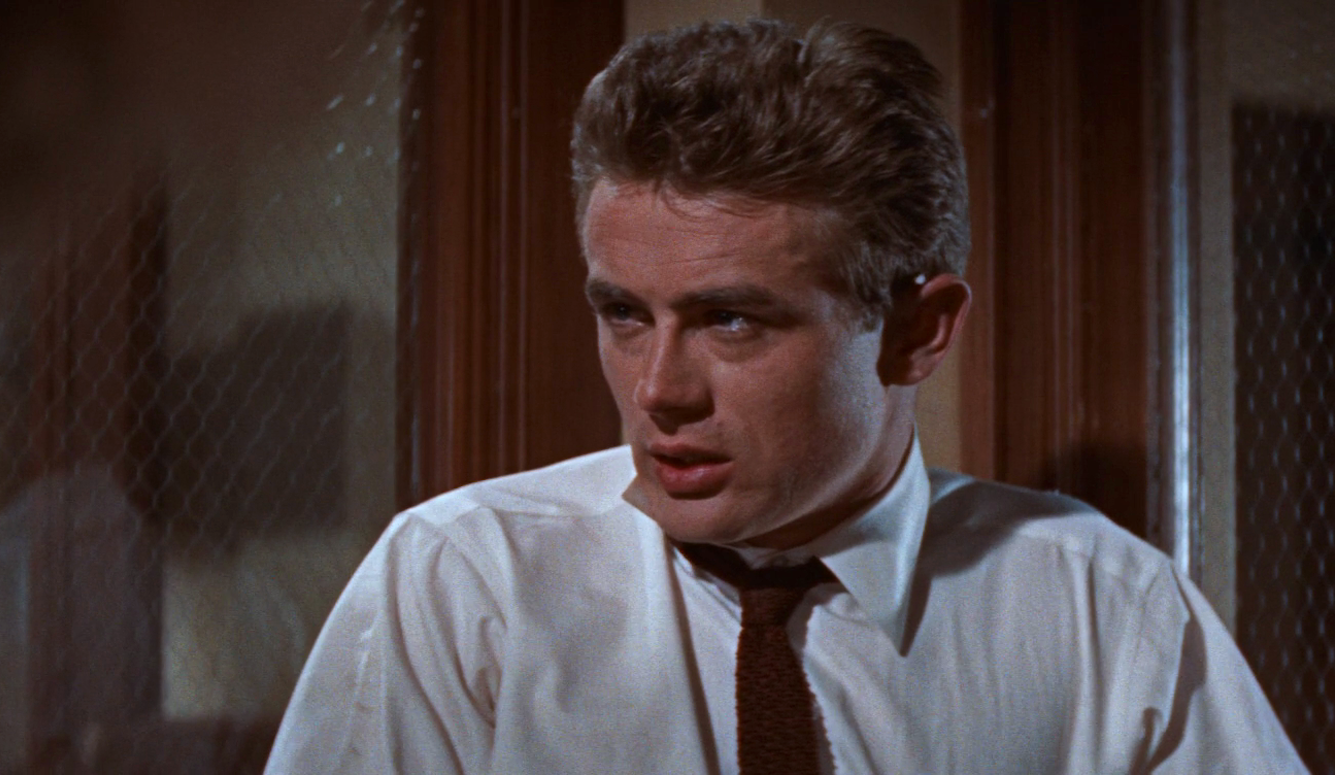
Jarrod Sturnieks revisits Rebel Without a Cause, Nicholas Ray's 1955 classic that gave teenage angst its first serious cinematic treatment. Released in an era of suburban conformity and rising youth rebellion, the film broke new ground by portraying adolescence as a time of deep emotional turmoil rather than lighthearted romance. Seventy years on, it remains a landmark in American cinema.
Quillette Video

Quillette Podcasts
Narrated 🎧
From the Archives
From Around the Web


| Quillette © 2025 – Unsubscribe |
 |


1 comment:
No big deal so far.
--GRA
Post a Comment