 |
 |
| Important developments in the coronavirus pandemic. |
| |
|
| |
| The Post's coronavirus coverage linked in this newsletter is free to access from this email. |
| |
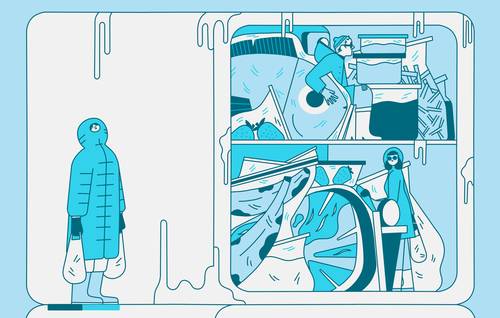
The latestYou're not imagining it: Prices at the grocery store are higher. Costs for products across the board — meats, eggs, fruits and veggies, cereals and bakery items — rose in April. Overall, consumers paid 2.6 percent more in April for groceries, the largest one-month increase since February 1974. What has jumped in price the most and why? We'll explain. Other important news |
| |
On the front lines
 (Michael S. Williamson/The Washington Post) To care for people who would get infected, this hospital invested in expensive preparations, spending more than half its capital budget for the year. It made these investments as the usual patients were vanishing. Administrators know they cannot sustain the losses for long. |
| |
|
| |
Live updates and moreSubmit a question and The Post may answer it in a future story, live chat or newsletter. |
| |
Your questions, answered "In light of disruptions to the U.S. food supply chain caused by the pandemic, what are farmers doing during the current planting season?" — John in California Many of them are struggling to stay afloat after last year's terrible weather gave way to a pandemic that "has thrown the nearly $2 trillion food industry into chaos," our business desk reported this week. When the U.S. restaurant industry went dormant earlier this year, farmers suddenly had no customers for the bulk quantities of crops they grow and package. A farmer in Idaho told The Post that he would normally be sending thousands of 50-pound boxes of potatoes a day to a nearby french fry plant, which has gone idle. "Now we're trying to shove it all through a little side stream bagger machine in hopes grocery stores will take it," he said. The same farmer was forced to let people from nearby towns strip his fields of 1 million pounds of seed potatoes — giving the crop away because he had nowhere to sell it and couldn't afford to store it for months. The University of Missouri's Food and Agricultural Research Institute estimates that American farmers will lose more than $20 billion this year. The sad irony is that farmers had been looking forward to 2020 until the coronavirus hit. A wave of calamitous storms and blizzards that had disrupted 2019 plantings and harvests was over. President Trump's years-long trade war had finally abated, with China promising to order billions of dollars in U.S. produce. Farms that had for years relied on government subsidies to keep from sinking under debt finally saw a light at the end of the tunnel. But with the marketplace now upended, farmers have been "forced to euthanize millions of hogs and chickens, give away tons of unwanted potatoes, and pour out enough milk to fill a small lake," The Post reported. And some analysts think only an extraordinary amount of federal aid will keep many of those farms solvent until the pandemic subsides.
Read more in this story from David J. Lynch, Annie Gowen and Laura Reiley: Farmers' hopes for respite from Trump-era struggles fade amid pandemic |
| |
Today's top readsFind more stories, analysis and op-eds about the outbreak on our coronavirus page, including: - Analysis: The GOP is increasingly siding with Trump over Fauci
- WWII veteran and his son die of covid-19, just days apart in separate nursing homes
- Mexico plans to start reopening border region, other areas as coronavirus lockdown eases
By Becky Krystal, CiCi Williamson and April Umminger ● Read more » |
| |
|
| |
I want to know what happened with Kevin in accountsClick through for video of this, ahem, business meeting. |
| |
|
| |
| |
|


 Email
Email 



No comments:
Post a Comment